供應(yīng)鏈管理實務(wù)其它上課時間:
培訓對象:
* 供應(yīng)鏈部門如計劃、采購、生產(chǎn)�、客戶服務(wù)和物流部門的運作人員* 參與供應(yīng)鏈運營的跨部門成員����,如質(zhì)量�����、成本和客戶需求管理部門的運作人員
培訓內(nèi)容:
培訓受眾:
* 供應(yīng)鏈部門如計劃��、采購��、生產(chǎn)���、客戶服務(wù)和物流部門的運作人員
* 參與供應(yīng)鏈運營的跨部門成員��,如質(zhì)量��、成本和客戶需求管理部門的運作人員 課程收益:
供應(yīng)鏈的管理范圍涉及從需求的輸入到滿足需求的全過程��,因此供應(yīng)鏈管理所涉及到的業(yè)務(wù)領(lǐng)域廣泛��、人員眾多�、運作復雜。
由于供應(yīng)鏈的運營須有跨部門成員的參與�,而跨部門/跨公司成員之間的利益不同甚至沖突,所以供應(yīng)鏈的整體表現(xiàn)�,受制于主鏈的上游和內(nèi)部/外部輔鏈上相關(guān)成員的影響。供應(yīng)鏈管理部門在履行職能的同時�����,把更多的資源投入到跨部門����、跨公司之間的橫向溝通、協(xié)調(diào)和合作��������!皽缁稹⒔鉀Q重復發(fā)生的問題�����、去除合作障礙”成為日常工作的主旋律......供應(yīng)鏈部門是企業(yè)運營的協(xié)調(diào)者���、問題解決者�、決策的總體平衡者和持續(xù)改善的推動者����。
通過學習,全方位診斷供應(yīng)鏈運營的問題�,尋找有效方法,改變以往“頭痛醫(yī)頭”的方式���,從而實現(xiàn)高效供應(yīng)鏈的運營,同時透過對供應(yīng)鏈運營實踐的解析來幫助跨部門成員了解�����、理解����、支持供應(yīng)鏈����。
現(xiàn)代供應(yīng)鏈管理實踐��,必將伴隨著市場和競爭環(huán)境的快速變化不斷地深化和普及�。 課程大綱:
1.供應(yīng)鏈概述
* 對價值鏈、供應(yīng)鏈和供應(yīng)鏈管理的認識
* 了解供應(yīng)鏈管理的主要挑戰(zhàn)
2.交叉跨部門團隊合作制勝
* 企業(yè)內(nèi)部供應(yīng)鏈及鏈上各環(huán)節(jié)間的銜接和協(xié)調(diào)
* 供應(yīng)鏈職能部門和交叉跨部門的目標�、職責、權(quán)力和責任
* 管理供應(yīng)鏈的動態(tài)性和復雜性
* 管理跨公司�、跨部門目標利益的沖突
3.管理供應(yīng)鏈內(nèi)流動的三大基本流
* 三大基本流相互作用和影響
* 有效管理三大流的跨部門“軌道系統(tǒng)” 、 “指揮系統(tǒng)” �����、“控制系統(tǒng)”
4.一切源自需求
* 需求模式與不確定性
* 需求的不確定性對內(nèi)部運營和成本的影響
* 管理預測的輸入, 預見不確定性, 應(yīng)對不確定性
* 預測需求和完善需求的方法
5.協(xié)調(diào)需求和供應(yīng)的平衡, 決策過程
* 對前期業(yè)績的測量和評估
* 預見未來市場的需求
* 平衡外部需求與內(nèi)部供應(yīng)資源的能力, 發(fā)現(xiàn)供應(yīng)的瓶頸和制約
* 去除供應(yīng)瓶頸和制約 vs. 重塑外部需求
* 評估�����、協(xié)調(diào)����、平衡、決策
6.供應(yīng)計劃系統(tǒng)的持續(xù)改善
* 管理和改善計劃的輸入要素
* 設(shè)置關(guān)鍵監(jiān)控點, 提升計劃實施的質(zhì)量
* 實施需求預測 vs. 實際銷售與 生產(chǎn)供應(yīng) vs. 庫存的動態(tài)監(jiān)控
* 計劃系統(tǒng)持續(xù)改善的領(lǐng)域
7.采購供應(yīng)系統(tǒng)的持續(xù)改善
* 設(shè)置關(guān)鍵監(jiān)控點, 提升采購供應(yīng)計劃實施的質(zhì)量
* 日常供應(yīng)商不符合性的管理
* 應(yīng)急采購系統(tǒng)
8.生產(chǎn)制造系統(tǒng)的持續(xù)改善
* 生產(chǎn)計劃實施�,變更的管理
* 生產(chǎn)計劃有效實施的保障
9.客戶服務(wù)
* 客戶定位與差異化管理
* 客戶訂單、延遲訂單的管理
* 客戶投訴的處置
10.物流服務(wù)
* 渠道策略對物流配送網(wǎng)絡(luò)建立的影響
* 物流成本的控制方法
11.考核與改善
* 供應(yīng)鏈管理業(yè)績考核與月報
* 供應(yīng)鏈管理的持續(xù)改善
1. Supply chain overview
* Understanding value chain, supply chain and SCM
* Understanding main challenges of SCM
2. Winning through cross functional cooperations
* Internal SC in the company and coordination between various sectors of supply chain
* Objectives, responsibilities and authorization of supply chain functions and cross-functions
* Management of the supply chain dynamics & complexity
* Managing interests conflicts in cross-company/department
3. Managing three basic flows in SCM
* Role of three basic flows and there influences
* Operation system, management system and information system to manage three flows
4. All driven by in-market demand
* Demand patterns and uncertainty
* Demand impact on internal operations and operation cost
* Managing demand input, predicting and dealing with uncertainty
* Methods to manage and improve in-market demand forecast
5. Demand and supply balance
* The measurement and evaluation of demand performance
* Anticipating future market needs
* Balancing external demand and internal supply capabilities, exploring supply bottlenecks and constraints
* Removing supply bottlenecks and constraints vs. remodeling external demand
* Evaluation, coordination, balance, decision-making
6. Continuous improvement of supply planning system
* Management of plan input elements
* Setting control points, improve implementation quality of supply plan
* Dynamic monitoring actual sales, inventory and supply
* Continuous improvement of supply planning system
7.Continuous improvement of material supply system
* Setting the key control points, enhancing implementation quality of purchasing plan
* Non-conformance management of suppliers
* Emergency procurement system
8. Continuous improvement of manufacturing system
* Managing the change of production plan
* Securing continuous production
9. Customer services
* Customer categorization and service differentiation
* Management of customers’ orders and backlog orders
* Handling customers’ complaints effectively
10. Logistics services
* Impact of channel strategies on the establishment of logistics and distribution network
* Managing and controlling logistics cost
11. Performance measurement and continuous improvement
* SCM KPI measures
* PDCA in SCM


 許林芳
許林芳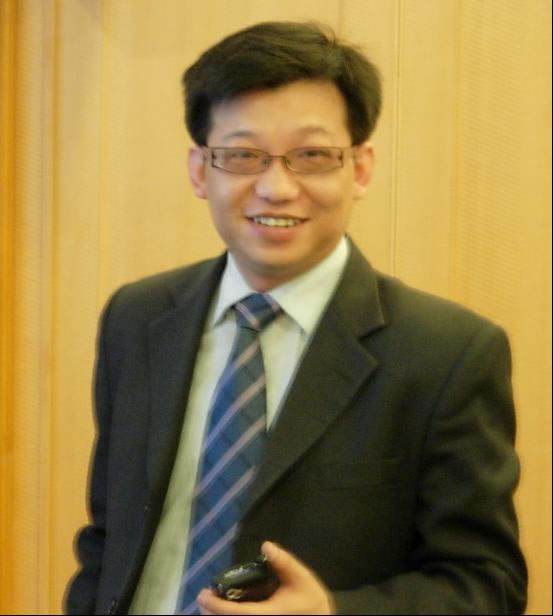 丁遠
丁遠 徐周
徐周 李文發(fā)
 李良德
李良德 高圣皓
高圣皓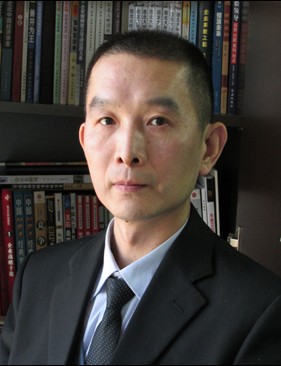 張珂
張珂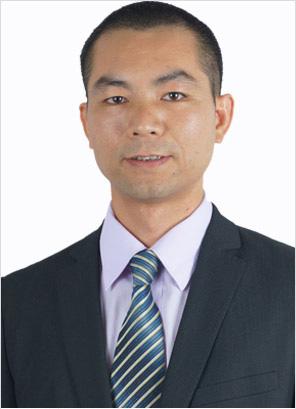 黃道雄
黃道雄