成本管理實(shí)踐其它上課時(shí)間:
培訓(xùn)對(duì)象:
* 希望通過(guò)完善的成本分析來(lái)降低自己所負(fù)責(zé)的預(yù)算中心成本的管理者 * 負(fù)責(zé)成本核算及管理的財(cái)務(wù)人員
培訓(xùn)內(nèi)容:
培訓(xùn)受眾:
* 希望通過(guò)完善的成本分析來(lái)降低自己所負(fù)責(zé)的預(yù)算中心成本的管理者
* 負(fù)責(zé)成本核算及管理的財(cái)務(wù)人員 課程收益:
成本是讓很多管理者感到頭痛的一個(gè)問(wèn)題�,它是企業(yè)利潤(rùn)形成的核心部分,要想提高利潤(rùn)就必須首先控制成本����。激烈的競(jìng)爭(zhēng)導(dǎo)致企業(yè)的運(yùn)作日趨復(fù)雜化�,使得成本管理涉及從成本預(yù)測(cè)到成本核算乃至成本分析和跟蹤的多個(gè)環(huán)節(jié)和方面。
本課通過(guò)大量的具體案例來(lái)分析成本�,能夠讓大家更直觀、更透徹地理解企業(yè)成本控制的關(guān)鍵點(diǎn)�����。 課程大綱:
1.成本的基礎(chǔ)定義
* 成本和費(fèi)用的區(qū)別
* 直接成本和間接成本的區(qū)別
* 固定成本和變動(dòng)成本的區(qū)別
2.成本的基礎(chǔ)概念
* 為什么要區(qū)分直接和間接成本
* 保本點(diǎn)怎么核算
* 規(guī)模效益的概念
* 固定成本高好還是變動(dòng)成本高好
3.提高公司成本核算系統(tǒng)的精確度
* 各種成本核算方法
- 傳統(tǒng)總成本法
- 直接成本法
- 標(biāo)準(zhǔn)成本法
* 各種成本法的優(yōu)弱分析
* 成本核算系統(tǒng)的代價(jià)問(wèn)題
4.成本分析和儀表板:怎樣跟蹤成本
* 利潤(rùn)中心的跟蹤
* 收入中心的銷售毛利跟蹤
* 生產(chǎn)中心的差異跟蹤
* 一些外部服務(wù)費(fèi)用的跟蹤
5.現(xiàn)代新型成本核算模式:作業(yè)成本法
* 作業(yè)成本法的原則
- 作業(yè)劃分
- 成本源的概念
* 作業(yè)成本法的運(yùn)作條件
6.成本控制原則和方法
* 四個(gè)原則
* 控制方法
* 關(guān)鍵成本控制點(diǎn)
1. Some definitions about cost
* Differences between cost and expense
* Direct cost and indirect cost
* Fixed cost and variable cost
2. Some concepts about cost
* Why do we have to distinguish direct and indirect cost
* Break even point calculation
* Scale effect
* How to balance fixed or variable cost
3. Improving your cost evaluation accuracy
* The different methods of evaluation:
- Traditional method
- Direct costing
- Standard costing
* Advantages and disadvantages of each method
* The cost of the evaluation system
4. Cost analysis and dashboard: cost tracking
* Profit center
* Revenues center
* Productive cost center
* External services cost tracking
5. New cost evaluation method: ABC
* The principles of ABC
- Activities analysis
- Cost driver concept
* How Activity Based Costing (ABC) works
6. Principle and method of cost control
* Four principles
* Methods of cost control
* Key cost control points

 徐周
徐周
 潘俊
潘俊
 李良德
李良德
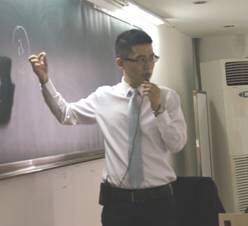 高圣皓
高圣皓
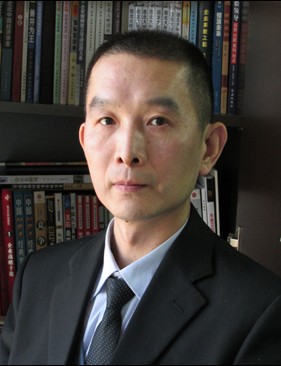 張珂
張珂
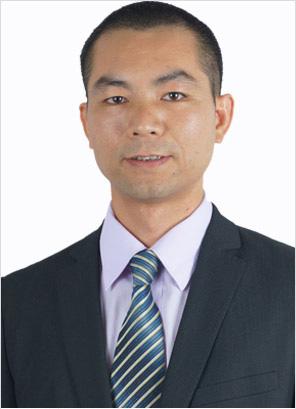 黃道雄
黃道雄
 方嵐
方嵐
 田野
田野
 甘建榮
甘建榮