中韓商務(wù)文化溝通與職場應(yīng)用其它上課時(shí)間:
培訓(xùn)對象:
* 想通過了解中韓文化差異提升自己與韓國客戶和同事溝通能力的商務(wù)人士
培訓(xùn)內(nèi)容:
培訓(xùn)受眾:
* 想通過了解中韓文化差異提升自己與韓國客戶和同事溝通能力的商務(wù)人士 課程收益:
韓國已經(jīng)成為亞洲乃至世界的重要經(jīng)濟(jì)體之一,在全球經(jīng)濟(jì)一體化大背景下���,中韓交流日益緊密,并滲透到日常的商務(wù)活動中����。
本課程將為您深入解讀韓國的文化和民族特性,從而幫助您有效處理中韓文化差異帶來的職場困惑�。 課程大綱:
1.韓國概況介紹
* 地理特點(diǎn)
* 基本政治和社會狀況
* 經(jīng)濟(jì)發(fā)展歷史和現(xiàn)狀
- 漢江奇跡
- IMF時(shí)代對韓國經(jīng)濟(jì)和社會的影響
- 韓國100大企業(yè)
- 韓國30大集團(tuán)和系列公司
* 歷史上的中韓關(guān)系
* 備受追捧的韓國的文化大產(chǎn)業(yè)
2.發(fā)現(xiàn)和解析韓國特色文化
* 文化的“洋蔥模型”
- 韓國的符號
- 韓國的偶像人物
- 韓國的禮儀風(fēng)俗
* 文化冰山的構(gòu)成
- 韓國語言文字的特點(diǎn)
- 韓國人的國民性和態(tài)度
- 凸顯韓國國民性的瞬間
- 韓國宗教對文化的影響
> 家長的權(quán)威性
> 主從關(guān)系和服從心
> 共同體意識
> 勤勉的勞動意識
3.中韓商務(wù)文化與溝通探討
* 韓國特色的商務(wù)文化
- 雙手遞送與承接物品
- 如何恰當(dāng)稱呼客戶和同事
- 商務(wù)宴請和酒桌文化
- 加班文化
* 與韓國客戶和同事的溝通技巧
- 積極傾聽技巧
- 有效說服韓國客戶和同事
- 有效的建設(shè)性批評模型DESC
1. Brief introduction of Korea
* Geographical character of Korea
* Essential information of Korean politics and society
* Economic development history and current economic status
- Miracle of Han River
- Starting and recovering of "IMF period"
- Top 100 large Korean corporations
- Top 30 corporation groups
* Important events in the history of Korea -China relationship
* Korean cultural industry
2. Exploring the unique issues in Korean culture
* The "onion model" of culture components
- Symbols of Korea
- Characteristics of Korean heroes
- Etiquettes of Korea
* The Iceberg of culture and its components
- The unique points of Korean language
- The unique points of Korean common personality and attitudes
- The moments that emerge the Korean characteristics
- The influences from the Korean people’s religious belief to Korean culture
> The authority of superior
> The attitude of submission
> The consciousness of community
> The diligent attitude for working
3. Discussion of China-Korea cross cultural business communication
* Tips for some unique Korean business culture
- How to use two hands when gives something to others
- How to call your Korean clients or colleagues in a proper way
- The table manners when drinking with Korean clients or colleagues
- The etiquettes when leaving the office
* The effective skills of communication with Korean people
- Active listening
- The ladder of persuading
- DESC model for constructive critiques

 許林芳
許林芳
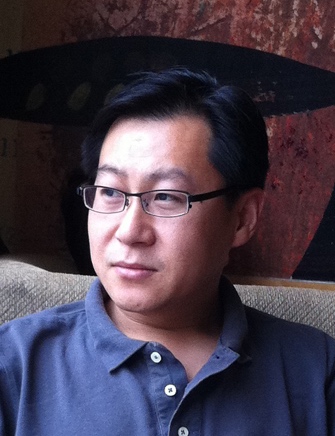 袁先登
袁先登
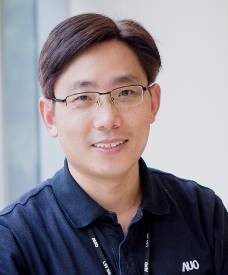 徐周
徐周
 李良德
李良德
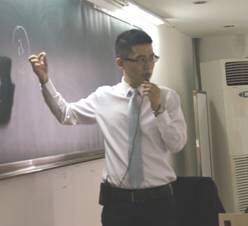 高圣皓
高圣皓
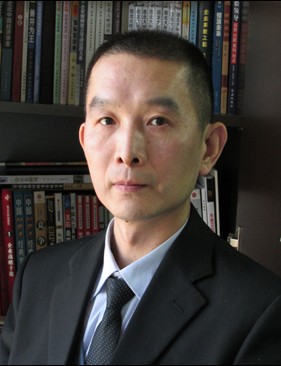 張珂
張珂
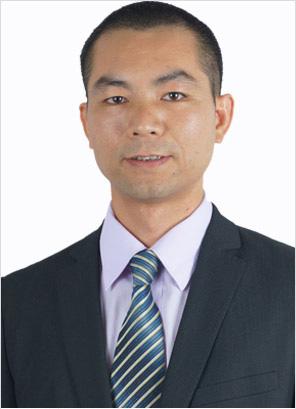 黃道雄
黃道雄
 甘建榮
甘建榮